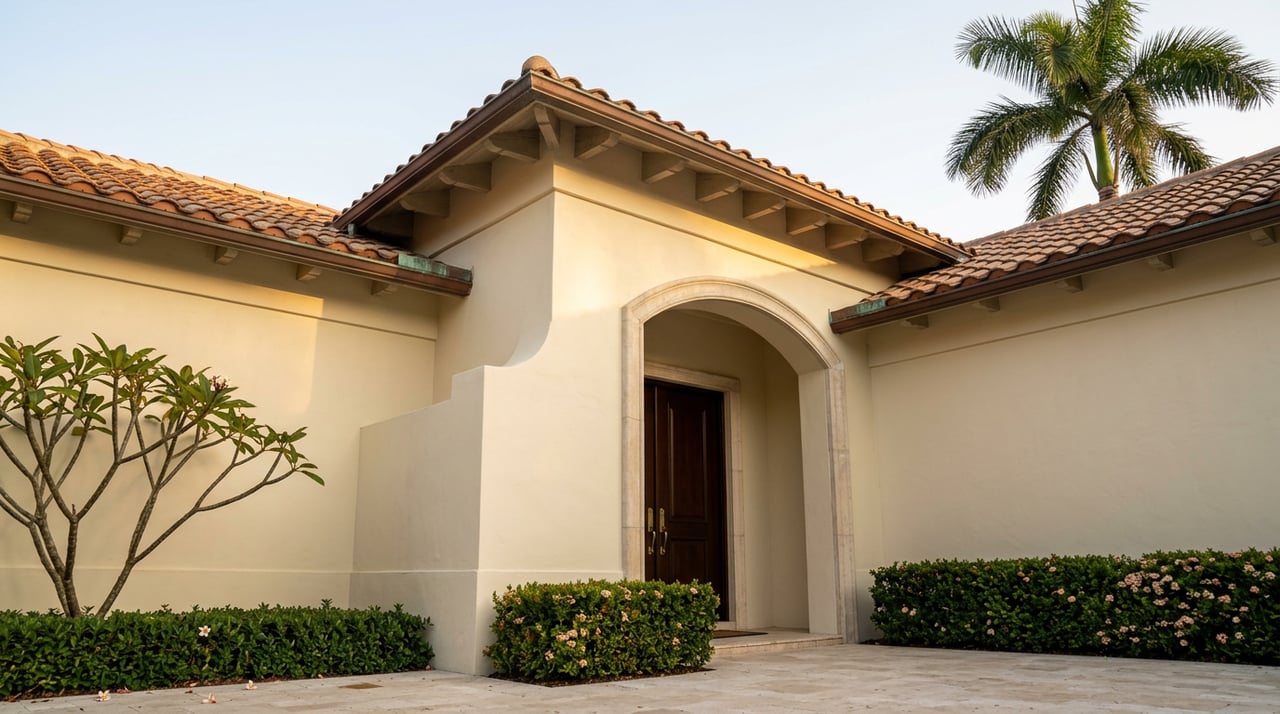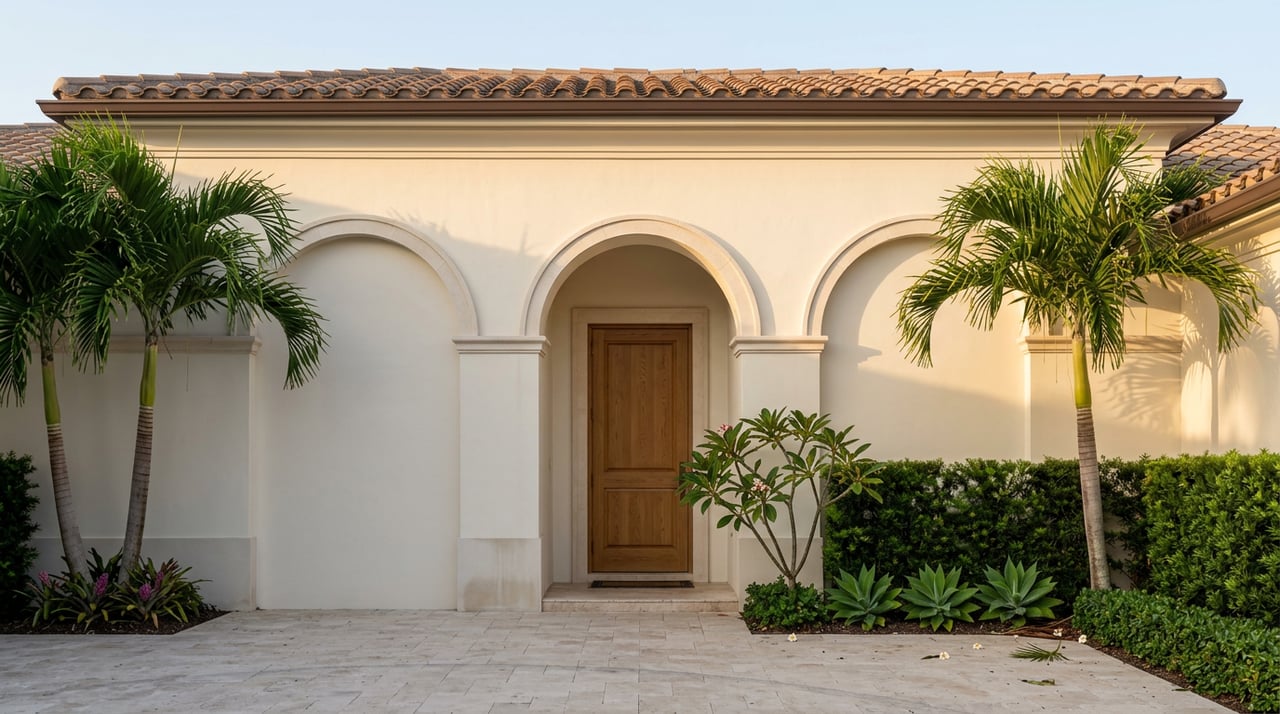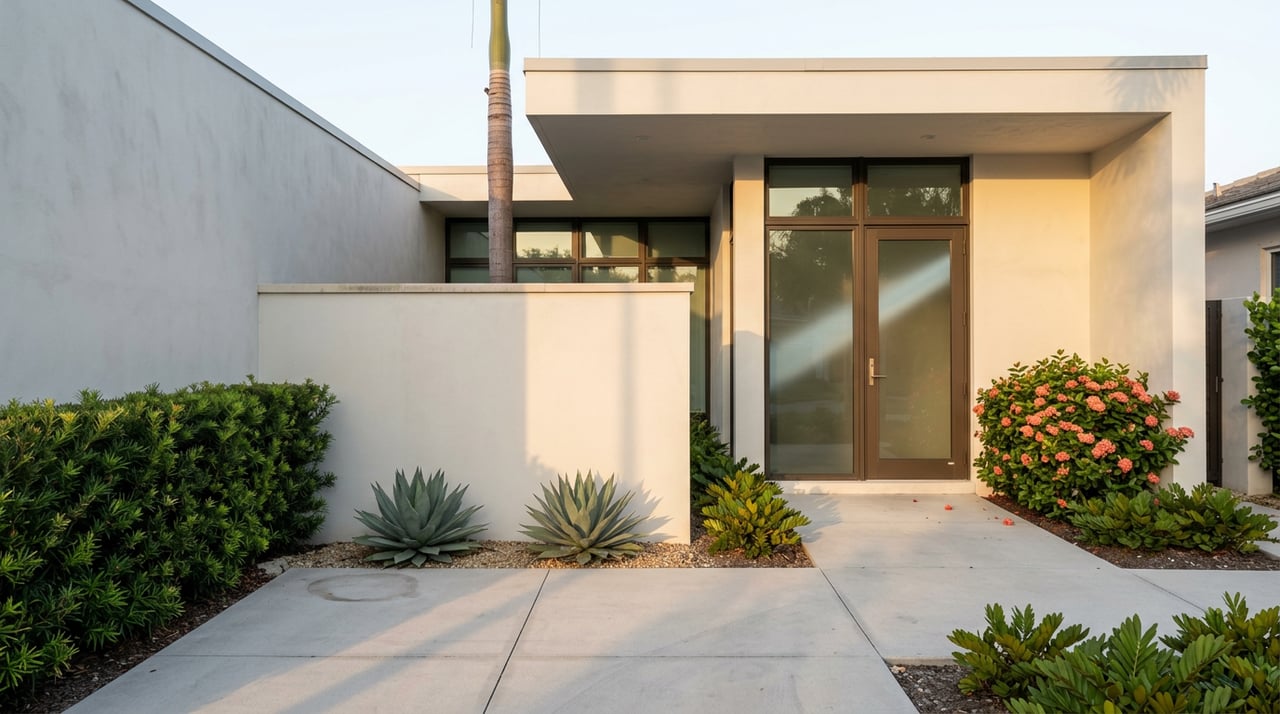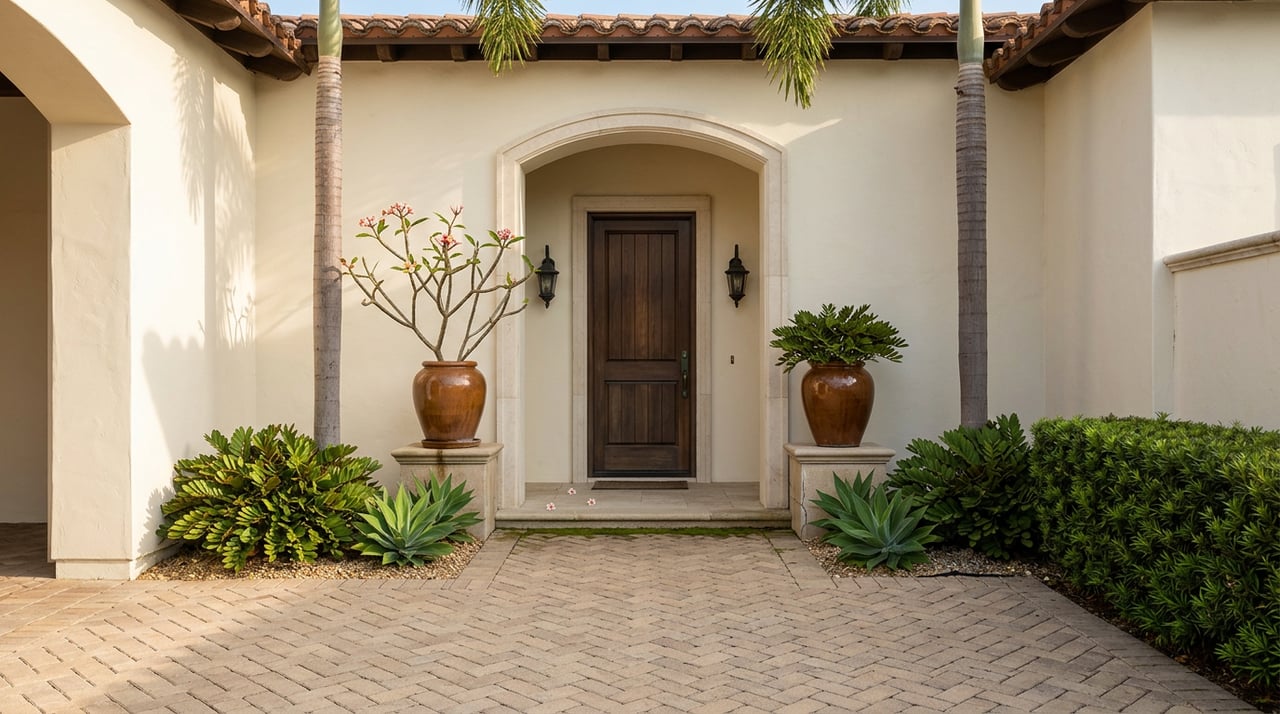
Two buyers touring Boca Raton this month are shopping the same budget and the same square footage, but they are working against two very different calendars. One is timing a contract against September 1, 2026, the day St Andrews Country Club's board-approved equity initiation jumps from $450,000 to $500,000. The other, touring The Oaks that same afternoon, isn't tracking any date at all. That difference, not the sale price on either listing, is the real story of Boca's country club market this year.
Every guide to this decision repeats the same line: The Oaks skips the equity fee. True, but incomplete. What's actually happening across Boca's private club circuit in 2026 is more specific than that. Several clubs are resetting their fee schedules on hard, board-approved dates this year, and those fees are flat dollar amounts that don't scale with the size of the house they're attached to. That combination changes who benefits most from paying an equity fee, and it changes who benefits most from avoiding one entirely.
The Deadline Isn't a Sales Tactic
On June 18, 2026, St Andrews Country Club's board voted to raise the mandatory equity initiation from $450,000 to $500,000, effective September 1, 2026. Add the separate $50,000 Property Owners Association contribution every new buyer owes at closing regardless of membership tier, and the total a purchaser commits to join the community climbs from $500,000 to $550,000 the moment the calendar turns.
St Andrews isn't the only club resetting its number this year. Boca West's joining fee moves from $150,000 to $215,000 on October 1, 2026. Addison Reserve's Full Golf initiation already stepped up from $325,000 to $400,000 on January 1, 2026. Mizner Country Club's current tiers, $275,000 for Full Golf and $170,000 for Sports membership, took effect the same day. None of these dates track anything happening in the broader housing market. They track board votes and bylaws, and a buyer's closing date decides which side of the line they land on.
Why the Same Fee Costs Different Buyers Different Amounts
Here's the part the fee schedules don't advertise. On a home priced around $3.45 million at St Andrews, roughly $450,000 to $475,000 of additional capital moves before the first year of ownership ends, once the equity check and the POA contribution are added to the purchase. On a $6 million home in the same club, that same equity check and POA contribution represent a meaningfully smaller share of the total commitment, because the fee is fixed while the home price is not.
The fee is fixed. The house is not. That's the entire mechanism.
The practical effect is that an equity club's entry fee weighs heaviest on buyers at the lower end of that club's own price range, and lightens, proportionally, as the home price climbs. It's a structure that quietly rewards buying up within the club rather than entering at the floor.
Where The Oaks Sits on That Curve
The Oaks sits exactly in the price band where that flat-fee effect would bite hardest, if The Oaks charged one. Recent closings there ran to a median sale price of about $2.6 million over the three months ending May 2026, up 12.3 percent from the same period a year earlier, an increase that outpaced the citywide Boca Raton median, which slipped 3.1 percent over that same window. Current St Andrews listings, by comparison, start near $1.9 million. A buyer entering St Andrews at that price point would be layering a $500,000-plus equity and POA commitment onto one of that club's smaller homes, precisely where the fixed fee cuts hardest. A buyer at that same price point in The Oaks adds only the HOA dues that fund the same categories of amenities, tennis, fitness, spa, and an on-site restaurant, with no separate club initiation at all.
That HOA figure is worth confirming directly rather than trusting any single published number. Recent sources put it anywhere from roughly $800 to $1,066 a month depending on the year and source cited, a reminder that association budgets move too, just without a single announced date attached to a six-figure jump. The Oaks also saw 13 home sales in May 2026 alone, up from 11 the prior year, a pace that suggests steady, ongoing demand rather than a market waiting on a fee cycle.
What Equity Actually Buys, Besides Amenities
The word equity means more than a bigger number at closing. It means the buyer holds a form of ownership in the club itself, ownership that can come with a vote in decisions well beyond the tennis schedule. St Andrews demonstrated exactly that in 2026, when the City of Boca Raton pitched the community on annexation, offering roughly 2 percent in property tax savings along with faster emergency response and expanded police coverage. St Andrews' governing committee reviewed the proposal, met with city and county officials, and turned it down, a decision the Boca Raton Tribune reported as public in June 2026. The Palm Beach County Sheriff's Office responded by agreeing to increase patrols and hold biweekly meetings with the community's leadership instead.
That kind of collective decision only happens because an ownership structure exists to make it. Buyers in a non-equity, HOA-run community like The Oaks are voting on landscaping contracts and clubhouse hours. Buyers holding equity at St Andrews are, in effect, voting on whether their entire community changes tax jurisdictions. It's a genuinely different kind of investment, and it's worth understanding which one a buyer is actually signing up for before assuming the initiation fee is just a cost to minimize.
The Practical Difference at Closing
For a buyer racing one of this year's fee resets, timing a closing to land before the deadline can be worth real money, and bridging that timeline sometimes means moving faster than a standard mortgage allows. This is precisely the kind of situation Compass Bridge Loan Services was built for, giving a buyer the flexibility to close on their own schedule rather than the club's.
For a buyer choosing The Oaks, that particular pressure simply doesn't exist. There's no board vote to watch, no September or October or January cutoff to write around. The trade isn't better or worse in the abstract. It's a different shape of commitment: a flat monthly HOA instead of a lump sum tied to a governance calendar and a club's own timetable.
The pace of each market reflects that difference. St Andrews homes took an average of 96 days to sell over the past year through early 2026, with a list-to-sell ratio around 91 percent, a pattern that reflects a smaller, more deliberate buyer pool willing to underwrite that entry fee before making an offer. The wider, steadier flow of activity in The Oaks suggests a buyer pool that isn't waiting on an approval process or a fee cycle at all.
A Few Direct Questions
Does The Oaks have any club membership at all? No. Tennis, the fitness center, the spa, and the on-site restaurant are funded entirely through the HOA, with no separate initiation fee or club board approval required to use them.
Is the equity portion of a country club initiation fee ever refundable? It depends on the club and the membership tier, and terms shift often enough that a fee sheet from even a year ago shouldn't be trusted. Confirm directly with the membership office before writing an offer.
Do these fee schedules really change this often? Yes. Four Boca-area clubs moved their initiation numbers on specific 2026 dates, which is exactly why a buyer's closing date, not just their offer price, belongs in the underwriting.
Whether the right fit is a flat HOA in The Oaks or an equity seat at one of Boca's private clubs, the number on the fee sheet is only part of the decision. The Ina Bloom Team works both sides of that comparison every week, and can walk you through what a specific closing date, fee schedule, or equity structure actually means for your offer before you write it. Request a private consultation to talk through the numbers on your timeline, not the club's.