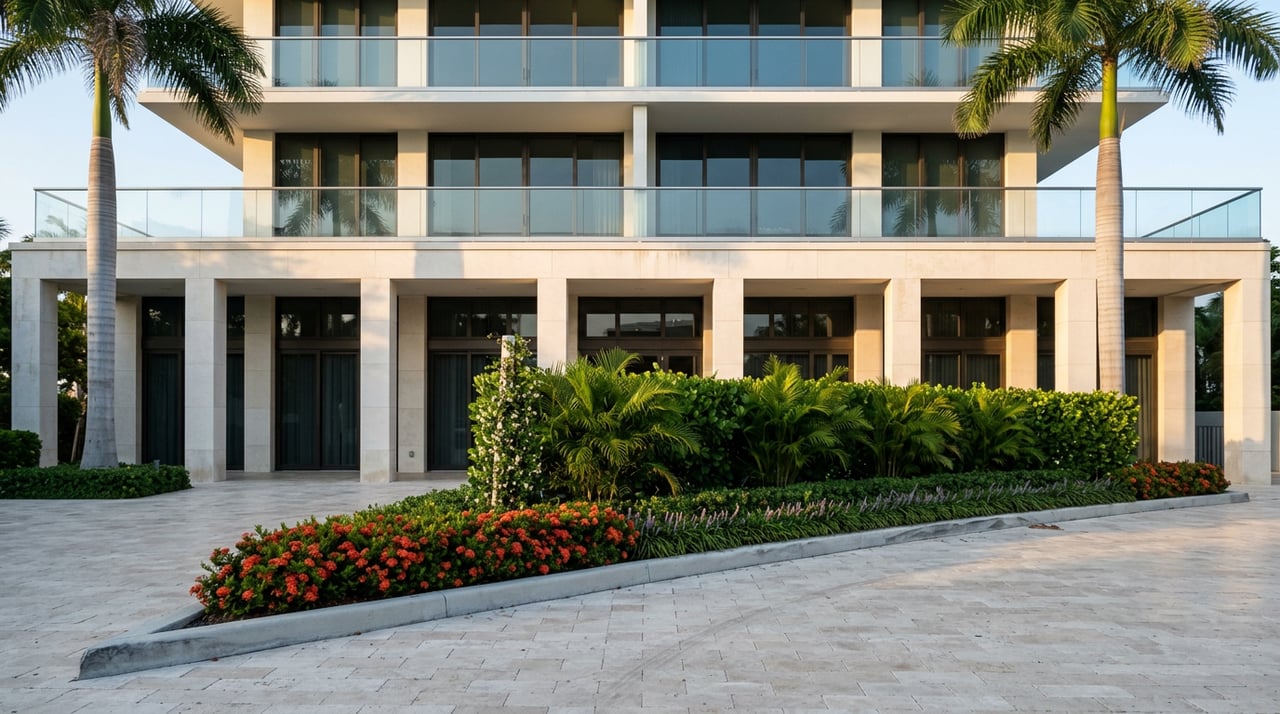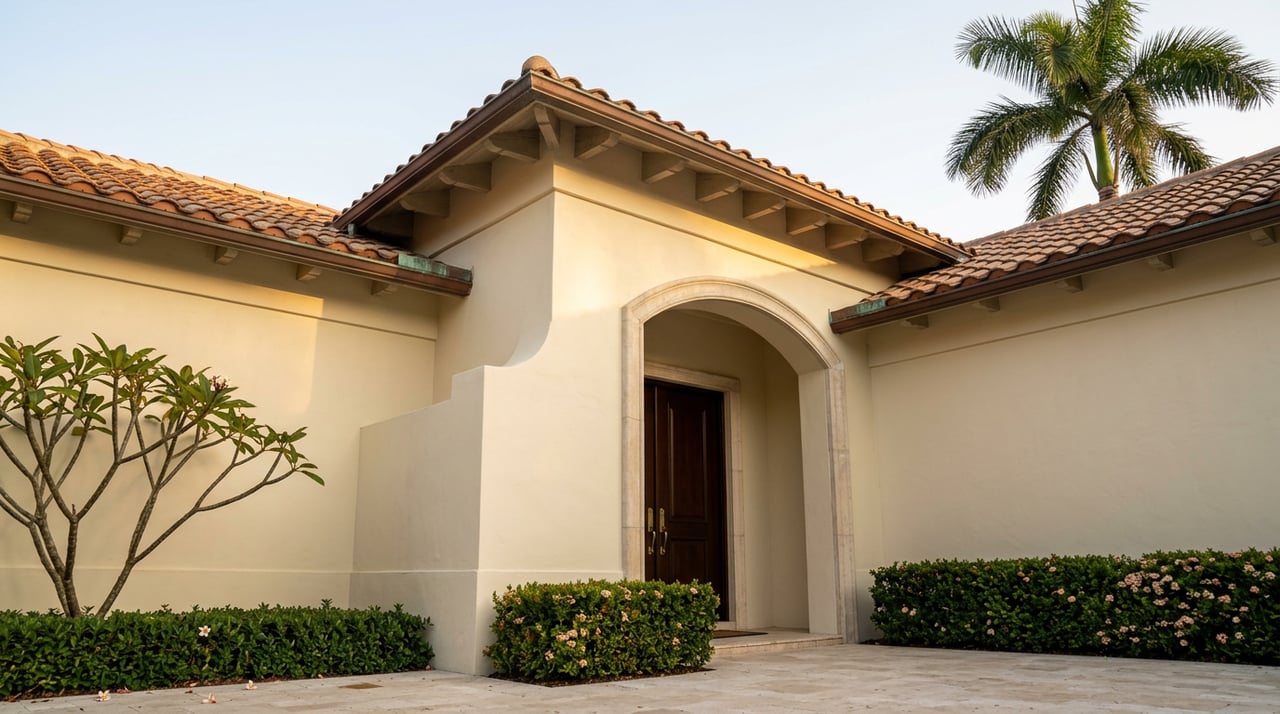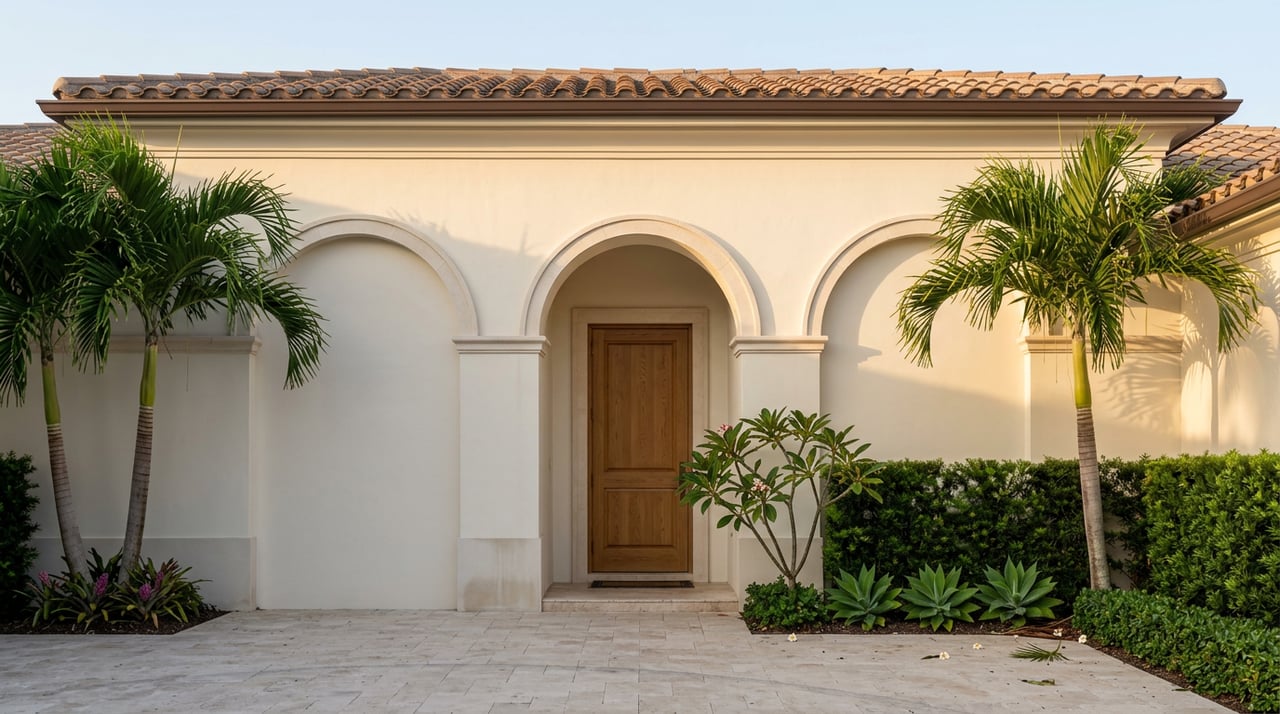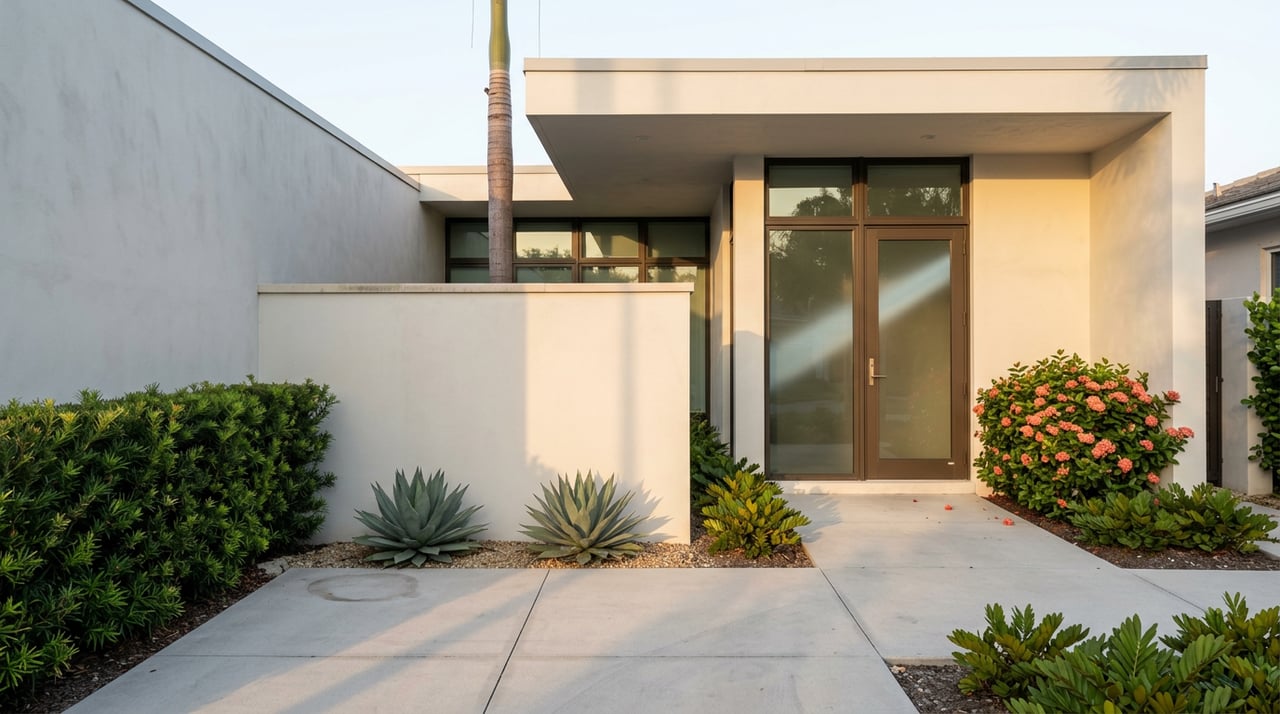
Picture two buyers touring Woodfield Country Club on the same Saturday. One is looking at a Kensington carriage home listed near $700,000. The other is walking through a Princeton Estates property priced near $4 million. Different homes, different lifestyles, different corners of the same 830-acre gates. But when they sit down with the membership office, they write checks that are nearly identical in size.
That is the part of buying into Woodfield that rarely makes it into a listing description or a portal comparison chart: the club's mandatory equity initiation fee does not move with the price of the home. It is a flat charge, and a flat charge on a wide range of home prices behaves very differently depending on where you land in that range.
The fee doesn't know what your house cost
Woodfield operates two membership tiers, and both are required, not optional, for anyone buying inside the main gates.
Full Equity membership runs approximately $225,000 to join, split between a $180,000 non-refundable initiation fee and a $45,000 equity contribution that is refundable on resale, subject to club bylaws and waiting lists. Annual dues run close to $36,825, covering operating dues, a cart fee, and capital dues. In exchange, Full Equity members get unlimited golf with no greens fees and full tennis and social access. The club caps this tier at 425 memberships total.
Standard Equity membership costs about $170,000 to join, made up of a $132,000 non-refundable fee and a $38,000 refundable equity portion, with annual dues near $26,441. Standard Equity members get complete access to tennis, fitness, the spa, dining, and social programming, but golf is rationed: three rounds per week during the October 15 through May 15 season, one of those per week maximum, and up to seven rounds per week in the off-season.
Neither figure adjusts for what you paid for the house. That is the mechanism worth sitting with.
The same fee, five to six times heavier
Run the math on the two buyers from the opening.
| Village | Approximate home price floor | Standard Equity initiation | Fee as share of price |
|---|---|---|---|
| Kensington | $700,000 | $170,000 | about 24% |
| Princeton Estates | $3,995,000 | $170,000 | about 4% |
The buyer entering at Kensington is paying roughly six times as much, as a percentage of the purchase price, to join the same club as the buyer entering at Princeton Estates. Run the same comparison using the Full Equity fee of $225,000 and the ratio holds: about 32 percent of the purchase price at the Kensington floor versus about 6 percent at the Princeton Estates floor.
This is not a criticism of the club's pricing logic. A flat institutional fee is simpler to administer than a sliding scale, and it reflects the fact that every member, regardless of home value, draws on the same golf course, the same tennis courts, and the same clubhouse. But for a buyer comparing a $700,000 Woodfield listing to a $700,000 home in a non-equity community, the sticker price is not the number that determines affordability. The initiation fee is closer to a second down payment, due at closing, on top of the mortgage.
One more detail worth knowing before you sign anything: membership fees at Woodfield carry Florida's standard sales tax on top of the stated amount, and fee schedules are confirmed directly with the membership office rather than pulled from older published guides, since older figures circulating online tend to run lower than current rates.
Not every member gets the same club
The fee gap is only half the story. Even among people who pay to join, the product they are buying is not identical.
- Full Equity members play golf whenever they want, with no greens fee, and the club limits this tier to 425 memberships club-wide.
- Standard Equity members pay about 75 percent of the Full Equity initiation cost, and roughly 72 percent of the annual dues, but their golf access is capped at three rounds a week in season and seven in the off-season.
For a buyer weighing whether to stretch for Full Equity or start with Standard, this is the actual tradeoff: a $55,000 difference in initiation cost and roughly $10,384 a year in dues, in exchange for unlimited versus rationed golf. If you golf twice a week, Standard Equity's cap rarely binds. If you golf most days, the math tilts hard toward Full Equity, assuming a membership slot is available under the 425-member cap.
This distinction matters most for buyers who assume "equity membership" is a single, uniform product across the community. It isn't. The village you buy into doesn't determine your tier, but your budget and your golf habits should, and that decision is worth making before you fall in love with a specific address.
Why the price-per-square-foot number keeps changing
If you've searched Woodfield's price per square foot across a few sites, you've probably noticed the numbers don't agree. As of April 2026, one community guide put the average around $496 per square foot. As of August 2026, another source calculated $520 per square foot from the past year of MLS activity. Redfin's March 2026 figure was $569 per square foot, up 31.7 percent from the year before. By June 2026, a fourth source listed the median at $701 per square foot for homes actively listed to buy.
These aren't contradictions so much as snapshots of a shifting mix. Princeton Estates homes, sitting on one-acre-plus lots with up to 14,963 square feet under roof, command a different per-square-foot rate than Kensington's smaller, zero-lot-line carriage homes. When more Hamptons or Princeton Estates inventory sells in a given stretch, the average price per square foot climbs even if no single home appreciated. Hamptons in particular has seen a run of teardowns and full rebuilds, with new construction replacing the original 1987 and 1988 homes, and that kind of activity pulls the community average upward without telling you anything about what a Kensington resale will do.
The takeaway for a buyer comparing Woodfield to other clubs: ask which villages are driving the number you're looking at before you use it to size up value. A community-wide average that blends a $700,000 carriage home with a $10 million custom estate isn't a useful comparison point for either buyer.
What this means before you write an offer
Woodfield's overall market has stayed liquid. As of August 2026, roughly 68 to 70 homes changed hands in the community over the trailing year, with an average of 57 to 61 days on market and a list-to-sell ratio in the low 90s, all signs of a market trading close to equilibrium rather than either a bidding war or a standoff. That liquidity is real, but it's a community-wide figure. It doesn't tell you how a Kensington carriage home moves compared to a Princeton Estates custom build, and the membership math above is exactly why those two segments can behave differently even inside the same gates.
Before you tour, get clear on three things: which village's price range you're actually shopping in, whether Full Equity slots are open under the 425-member cap or whether you'd be starting on Standard Equity, and how the initiation fee changes your real cash-to-close number, not just your mortgage payment. For buyers who need to bridge the gap between a home sale elsewhere and the cash required at closing here, tools like Compass Bridge Loan Services exist specifically to smooth that kind of timing mismatch.
A few questions worth asking directly
Does every Woodfield home require the same membership tier? No. Full Equity and Standard Equity are both mandatory options depending on which you choose, but Full Equity is capped at 425 memberships community-wide, so availability can vary at any given time, independent of which village you're buying into.
Is the initiation fee refundable if I resign my membership? Part of it. The equity portion, $45,000 under Full Equity or $38,000 under Standard Equity, is refundable on resale subject to club bylaws and waiting lists. The larger non-refundable portion, $180,000 or $132,000 depending on tier, is not returned.
Why do published price-per-square-foot figures for Woodfield vary so much? Because they're capturing different slices of a 20-village community at different points in time. A figure built from a month with more Princeton Estates or Hamptons sales will run higher than one built from a month with more Kensington or Cambridge Park activity, even without any real shift in value.
Understanding what a Woodfield address actually costs, beyond the number on the listing, is the kind of groundwork that changes how you shop and how you negotiate. The Ina Bloom Team works these villages closely enough to walk you through which membership tier fits your budget and your golf calendar before you ever make an offer. Request a Private Consultation to talk through the real numbers behind your next Boca Raton move.