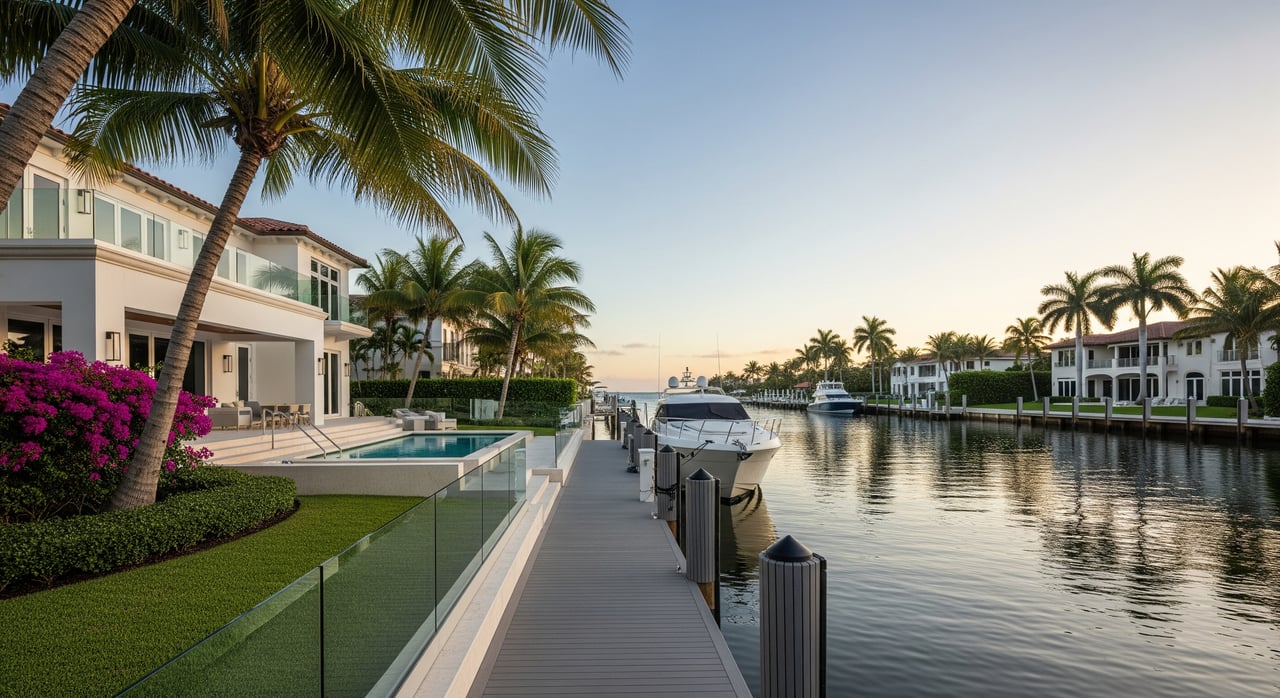
Picture yourself stepping out to the water every day, but you’re not sure which Boca Raton waterfront fits your boat and lifestyle. You’re not alone. Between the ocean, the Intracoastal, and residential canals, each option offers different benefits and constraints. In this guide, you’ll learn how to choose the right fit based on your vessel, daily routine, and investment goals in Downtown and East Boca. Let’s dive in.
Ocean vs. Intracoastal vs. Canal
Oceanfront or beachfront means your property borders the Atlantic. You get premier beach access and views, plus direct shoreline recreation. For private residences, deepwater dockage is typically not available on the ocean side, so boaters often rely on marinas or access via the Intracoastal and local inlets.
Intracoastal Waterway (ICW) properties sit on a protected, navigable route that parallels the coast. You enjoy calmer water, easier docking, and convenient cruising north and south without entering the open ocean. Many buyers choose the ICW for year-round usability and proximity to services.
Residential canals are narrower channels serving neighborhoods that connect to the ICW or inlets. They offer private docks and quieter water but may limit vessel size due to depth, width, or speed zones. These properties are popular with owner-operators who prioritize stepping from the kitchen to the cockpit.
Boat-fit fundamentals to verify
Depth at your dock
Depth controls what you can safely keep behind your home. Think in terms of mean low water (MLW), which reflects the lowest typical tide. Small center consoles may draw 6 to 24 inches to about 2 to 3 feet, while larger sportfish and yachts often need 5 to 10 feet or more. Request documented soundings at MLW or arrange a professional survey so you’re not relying on vague “deepwater” claims.
Bridge clearance reality
Routes from your dock to the inlet can include fixed and movable bridges. Fixed bridges have published clearances; if your mast or flybridge exceeds that height, you cannot pass. Movable bridges open on schedules or by request, which can add delays. Verify clearances and opening procedures along your entire route before you buy.
Inlet passage and shoaling
Inlets can shift with shoaling and seasonal changes. Even if a listing says “ocean access,” draft limits at the inlet can restrict passage at low tide. Check recent inlet surveys and any dredging schedules with the appropriate authorities so your plans match real-world conditions.
Tides and daily usability
South Florida’s tidal swing is often modest, roughly 1 to 3 feet in many spots, but it still matters for boats with deeper draft. Confirm depth at MLW and plan around tide tables if you operate a larger vessel. A small margin can be the difference between an easy afternoon and a grounded prop.
Seawalls and structural condition
Seawalls, docks, pilings, and lifts age and can be expensive to repair or replace. Insurers and lenders care about condition and permits. Build an inspection into your process and review permit history so you understand costs and timelines.
Lifestyle tradeoffs in East Boca
Oceanfront living
If you prize beachfront access, views, and the sound of the surf, oceanfront is unmatched. Boat ownership typically involves using marinas or an alternative docking plan, and you should expect higher exposure to storms and maintenance. Many buyers view oceanfront as a lifestyle purchase first and foremost.
Intracoastal life
The ICW offers protected water, straightforward docking, and easy coastal cruising. It is convenient for a range of vessels and often close to services. Expect some traffic compared with smaller canals and remember that bridges and tides can influence your daily routes.
Canal convenience
Residential canals give you private docks and quieter surroundings. This can be ideal for center consoles, runabouts, and modest sportfish. Pay close attention to canal depth, width, and whether it’s a dead end, since these details determine what you can actually run.
Downtown access near East Boca
Living in Downtown or East Boca gives you a blend of urban convenience and boating access. You’re close to restaurants, shops, and marina services, which cuts travel time for fueling, maintenance, and dining by water. The exact experience depends on your specific dock or slip and the route you take.
Permits, rules, and environmental must‑knows
Waterfront improvements and operations involve multiple agencies. Expect to consult nautical charts and tidal data, federal inlet maintenance and permitting guidance, state environmental rules, and local city and county building departments. You will also consider flood zones, manatee speed zones, and sewage discharge restrictions.
Key agencies and resources to check:
- NOAA for nautical charts and tides
- U.S. Army Corps of Engineers for dredging and federal permits
- Florida Department of Environmental Protection for docks, seawalls, and coastal construction
- Palm Beach County and the City of Boca Raton for local permitting, seawall rules, and rental ordinances
- FEMA Flood Map Service Center for flood zones and Base Flood Elevations
- Florida Fish and Wildlife Conservation Commission and U.S. Fish and Wildlife Service for protected species and speed zones
- U.S. Coast Guard and EPA for navigation and No Discharge Zone rules
Common permits and constraints:
- Dock and lift installations often require local permits, and work below mean high water can trigger state and federal approvals.
- Seawall repairs or replacements typically need engineered plans and permits; approvals can take months.
- Mangrove trimming, seagrass impacts, and any dredging require strict compliance and may not be approved.
Insurance considerations:
- Waterfront homes are frequently in FEMA flood zones. Factor in flood insurance and elevation requirements.
- Oceanfront exposure can increase windstorm premiums.
- If you lease a marina slip, clarify how it is insured.
Buyer and investor checklist
Documentation to request:
- Dock dimensions, construction details, and any boat lift specs
- Dock depth with datum specified, measured at MLW, plus date of sounding
- Seawall permit history, last repair date, and any engineering reports
- Permits for dock, lift, and any dredging work
- Title documents showing riparian rights and shoreline ownership
- Marina slip agreements and HOA rules that affect boat use
- Elevation certificate and FEMA flood zone
Inspections and surveys to arrange:
- Professional depth soundings at low tide
- Structural inspection of dock, pilings, lifts, and seawall
- Title search for riparian rights and easements
- Environmental review for mangroves, seagrass, and protected areas
Smart local questions:
- City and county: seawall and dock permit rules, timelines, and costs
- Authorities maintaining the inlet: dredging history and upcoming work
- Marina operators: pump‑out, fueling, haul‑out, and slip availability
- Local captains: routing tips, shoaling hotspots, and bridge realities
Financial factors to model:
- Seawall and dock maintenance and replacement ranges
- Wind, flood, and marine insurance premiums
- How local short‑term rental rules and HOA policies affect income strategies
How the Ina Bloom Team supports your move
You deserve clear guidance and a tailored plan that matches your vessel and lifestyle. The Ina Bloom Team pairs deep local knowledge across Boca Raton’s waterfront neighborhoods with Compass tools that protect timing, privacy, and price. For sellers preparing a property, Compass Concierge can help fund strategic improvements that enhance market appeal. If you are coordinating a sale and purchase, Compass Bridge Loan Services can support timing and cash flow. For privacy‑minded buyers and investors, Compass Private Exclusives can unlock off‑market opportunities.
When you’re ready to compare specific East Boca options, we’ll help you weigh boat fit, daily routing, and long‑term value so you can move forward with confidence.
Ready to find the right waterfront home for your boat and lifestyle? Connect with Ina Bloom for a private consultation.
FAQs
What does “ocean access” mean for Boca boaters?
- It means a navigable route exists from your dock to the Atlantic, but you must verify dock depth at MLW, bridge clearances, and inlet conditions before assuming your vessel can pass.
Are Intracoastal docks safer than oceanfront in storms?
- ICW and protected canals usually have less wave action than the open ocean, but both face hurricane wind and surge risk; elevation and seawall condition are key.
How deep should my dock be for my boat?
- Match depth to your vessel’s draft with margin for tides and sediment; small center consoles need modest depths while larger sportfish and yachts often require 6 to 10 feet or more at MLW.
Do Boca homeowners own the water in front of their dock?
- Riparian rights vary by property and recorded documents; title records reveal docking rights and any easements or public ownership seaward of mean high water.
What’s the most boat‑friendly option in East Boca?
- Intracoastal properties with documented deepwater dockage and convenient routes to the inlet are often the most versatile, while canal homes can be excellent for smaller vessels.